
What does a volunteer actually learn during an international workcamp, and how do we prove it? For five days in the village of Hollókő, Hungary, a diverse group of IVS activists from around the world gathered at Egyesek’s Creative Space to work on exactly that question, shaping the future C-IVS framework for recognising and certifying the skills gained through International Voluntary Service.
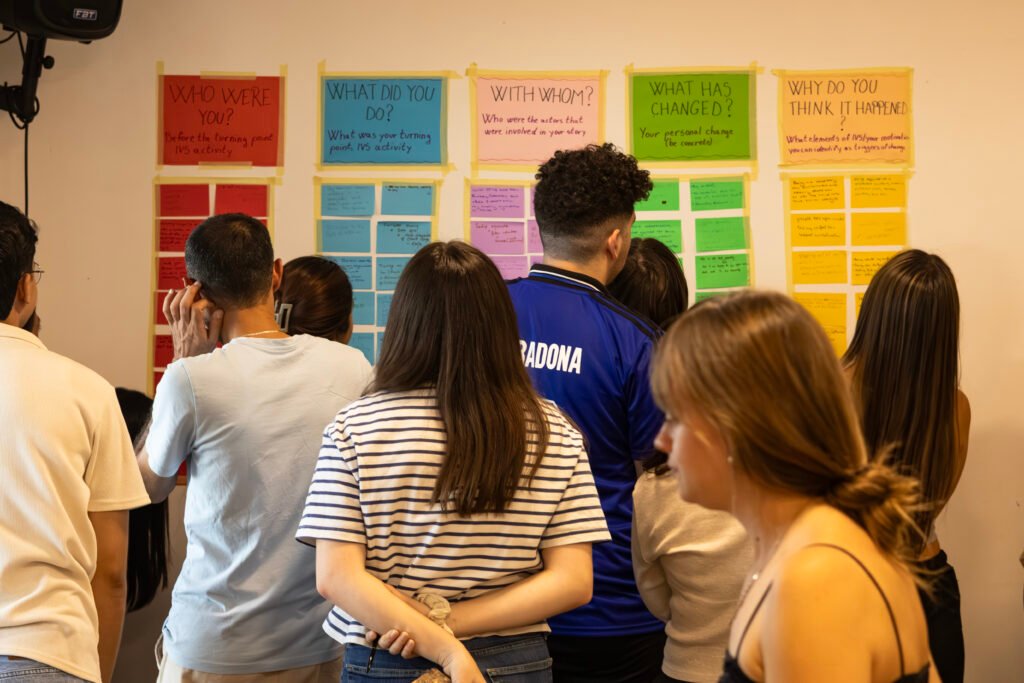
The Lab opened with the participants themselves. Before touching any framework, everyone travelled back in time to the moment before their first IVS experience, mapping who they were, what motivated them, and what changed afterwards. The stories that landed on the “Wall of Change” were strikingly similar across countries and continents: shyness turned into confidence, uncertainty about the future turned into direction, and the belief that “politics is for other people” turned into active engagement. As CCIVS research on more than 100 workcamp participants has shown, this change is no accident. Meaningful work and manual work, done together with people from different cultures, are exactly what makes workcamps such powerful learning environments.
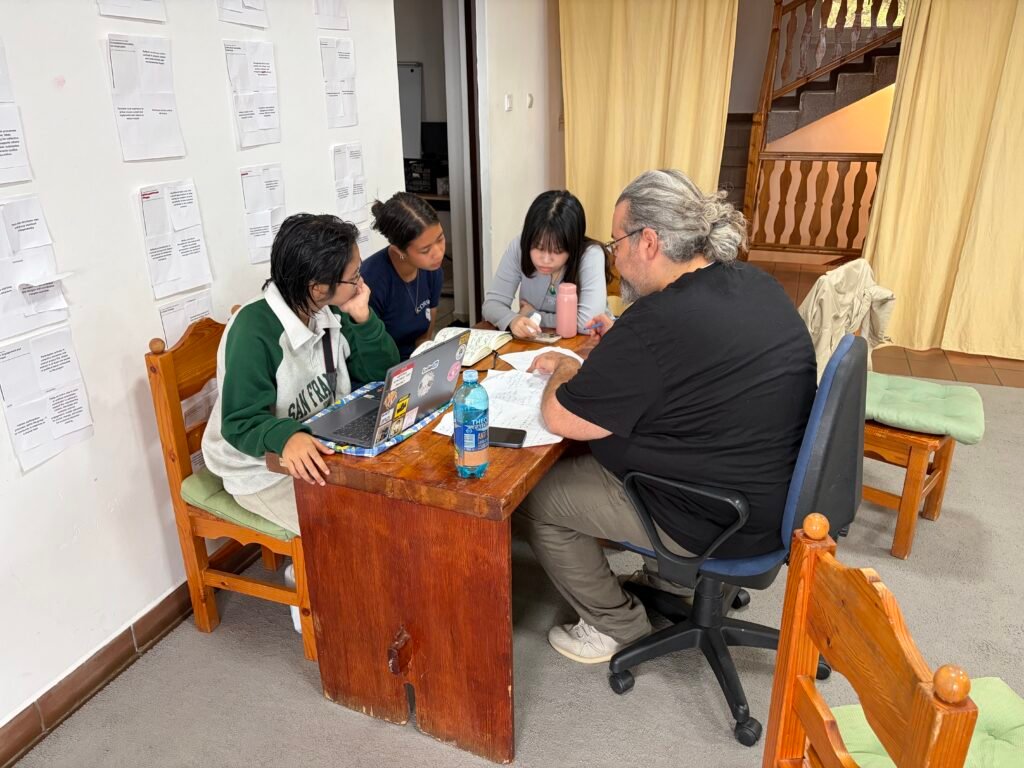
From impact, the group moved to the framework itself. Participants dissected the draft skills, competences and descriptors piece by piece, building on feedback from the earlier Lab in Harare. They flagged confusing wording, debated whether “teamwork” should become “collaboration”, proposed splitting gender, diversity and inclusion into clearer skill sets, and made a strong case for adding leadership as its own cluster. The goal is a framework that a volunteer anywhere in the world can actually understand and use.
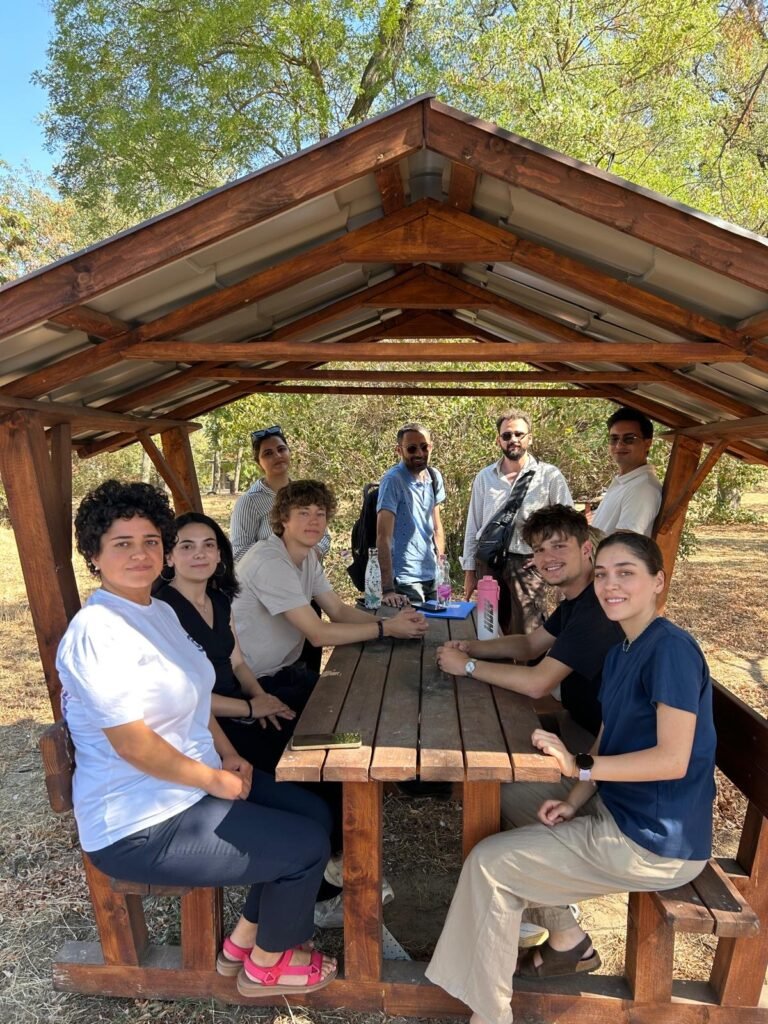
The theory was then tested in the field. In small groups, participants interviewed local and international ESC volunteers, a youth centre manager and local community members. The results were encouraging: when volunteers saw the framework, they recognised their own skills in it. The interviews also confirmed something important for the certification process itself: self-reflection doesn’t happen automatically, and volunteers need guided support, peer evaluation and conversations to name what they have learned.
The final days were dedicated to designing the certificate itself and taking the message outward. Working groups sketched the certification journey from the volunteer’s, camp leader’s, organisation’s and employer’s perspective, and debated the certificate’s design down to QR codes and skill levels. Advocacy teams then built roadmaps for reaching governments, universities and the private sector, each with its own catchphrase, from “Recognise Skills. Open Doors.” to “Skills are gained everywhere, not just in the classroom.”
The Lab closed the way it began, with reflection. Marking the skills they had gained on the wall, participants noted above all intercultural awareness and confidence, and many left inspired to build a network of like-minded people. In their words: in five days, they learned what normally takes months.