

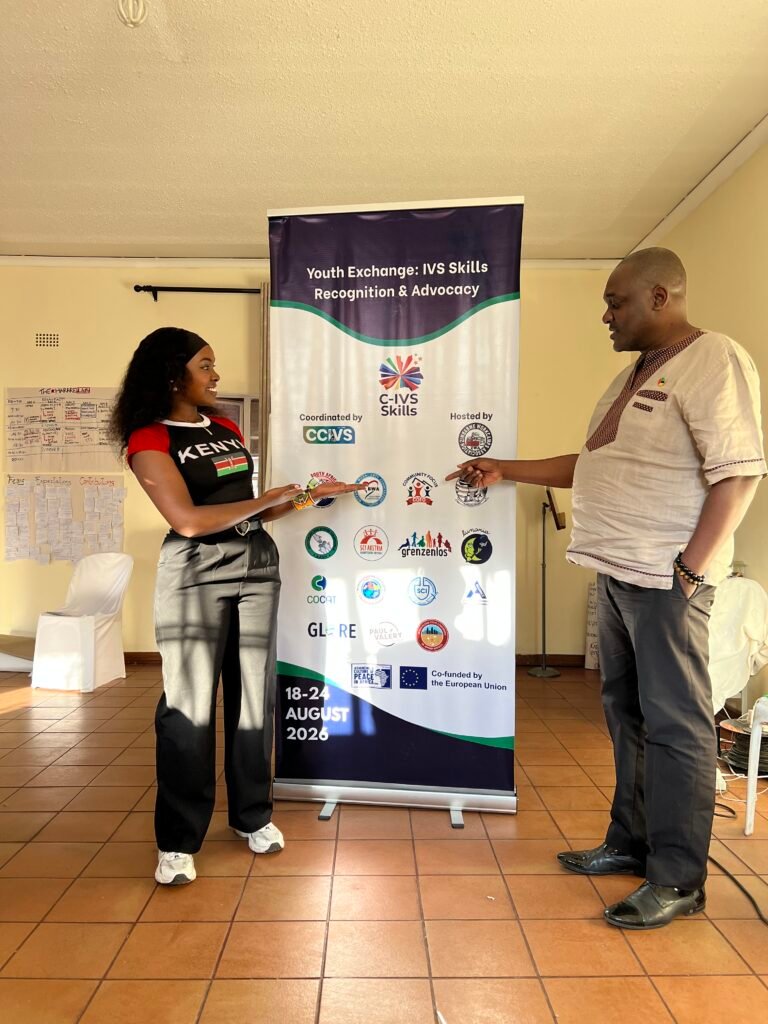
From 18–24 August 2026, young people and International Voluntary Service organisations came together in Harare, Zimbabwe, for the C-IVS Skills Youth Exchange on IVS Skills Recognition & Advocacy.
The Youth Exchange formed an important step in the development of C-IVS Skills: moving from designing a certification approach to testing it with the young people and organisations who will ultimately use it.
Putting the certification approach to the test
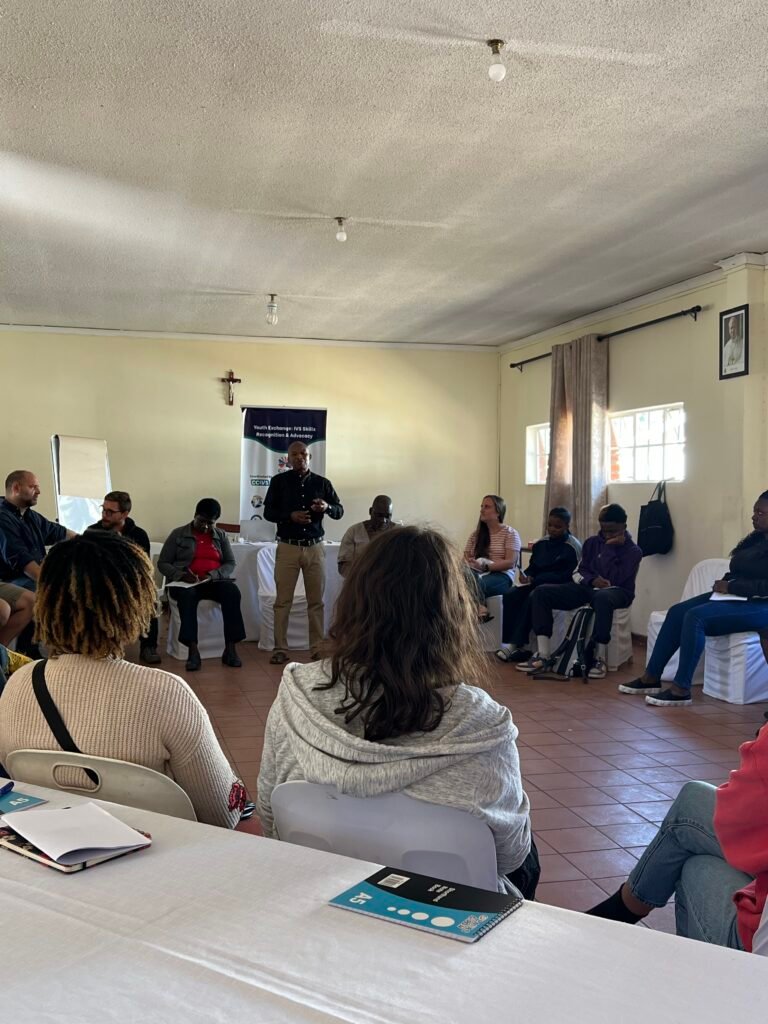
Throughout the week, participants explored how competences developed through International Voluntary Service can be identified, evidenced and recognised. Rather than approaching certification only as a technical exercise, the Lab connected it directly to participants’ volunteering experiences. Young people tested the emerging C-IVS Skills certification approach and digital platform, while also working on skills recognition, impact measurement and advocacy.
The process created space to question and refine what is being developed: What have I learned through volunteering? How can I demonstrate that learning? And what would make its recognition meaningful beyond the voluntary service sector?
These questions are central to C-IVS Skills and to its ambition to make learning through volunteering more visible and transferable.
Built with young people, not simply for them
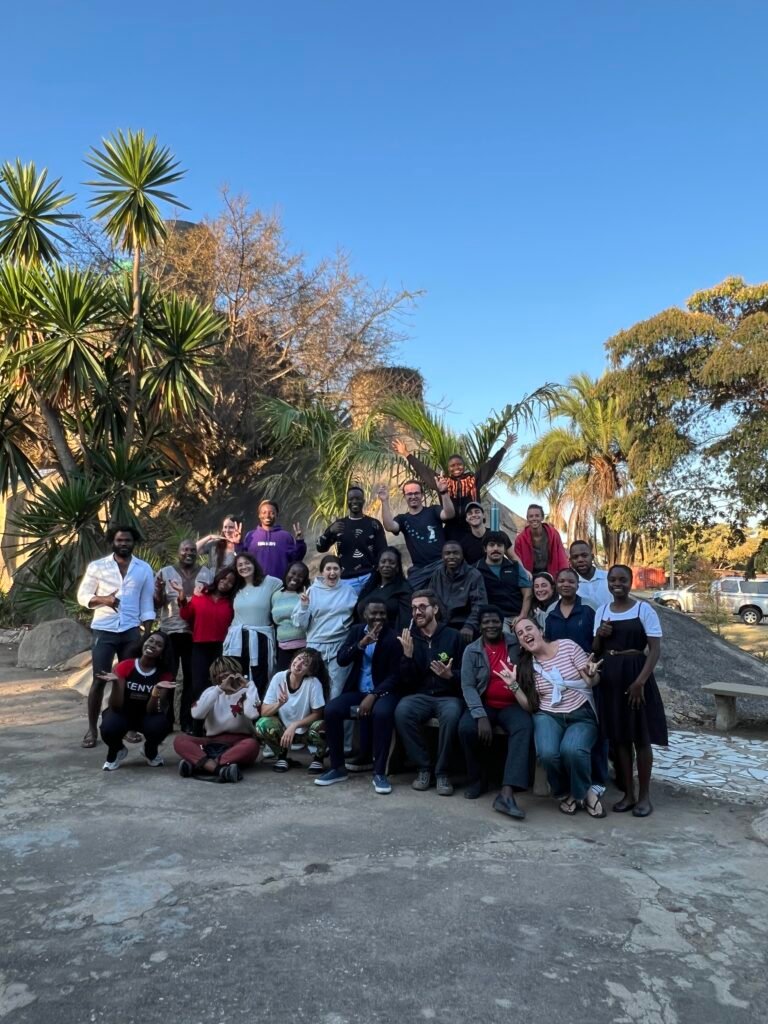
Youth participation is at the heart of the process. In Harare, 24 young people involved in IVS brought their own experiences and perspectives into the testing and development of C-IVS Skills.
This matters because a certification system designed to recognise young people’s learning needs to reflect how that learning actually happens — across different organisations, projects, countries and volunteering experiences.
The week therefore wasn’t only about learning how to use a certification system. It was also an opportunity for participants to test it, question it and contribute to improving it.
From recognition to advocacy
Developing a certificate alone will not automatically lead to greater recognition of volunteering.
That is why the Harare programme also explored advocacy: how young people and IVS organisations can communicate the value of competences gained through volunteering and engage actors beyond the sector.
The Youth Exchange initiated a Youth Advocacy Team, creating a bridge between the technical development of C-IVS Skills and the wider work needed to strengthen recognition of IVS learning.
Taking the conversation beyond the Lab
The week culminated in a Partners Day, opening the discussion to external stakeholders.
Young people were able to connect their own volunteering experiences with a wider conversation about what would make recognition credible, useful and accessible — and how actors such as education institutions, employers, civil society and policymakers can contribute.
Harare was a testing ground. What comes next?
The work does not end with the Youth Exchange. The process continues already next week with the C-IVS Skills Lab in Hollókő, Hungary. There, partners will take the certification framework further, refining the skills and competencies list, clusters and descriptors, and developing the validation process through self-assessment, peer assessment and guided assessment. The Lab will also build on the advocacy work started in Harare, developing messages and strategies for key stakeholders such as IVS organisations, intergovernmental organisations and the private sector, and expanding the membership and tasks of the Youth Advocacy Team.
The next phase will then take C-IVS Skills into local certification testing and advocacy, allowing partners to use the emerging approach within voluntary service projects and gather further feedback from real contexts. What is learned through this process will feed back into the continued development and refinement of the certification system. Harare therefore represents an important transition: from developing an idea to putting it into practice.



Co-funded by the European Union. Views and opinions expressed are however those of the author(s) only and do not necessarily reflect those of the European Union or the granting authority. Neither the European Union nor the granting authority can be held responsible for them.