Join the “Decolonise Now! Tool Fair and ToT” in Bulgaria: A Call to Young European Change-Makers
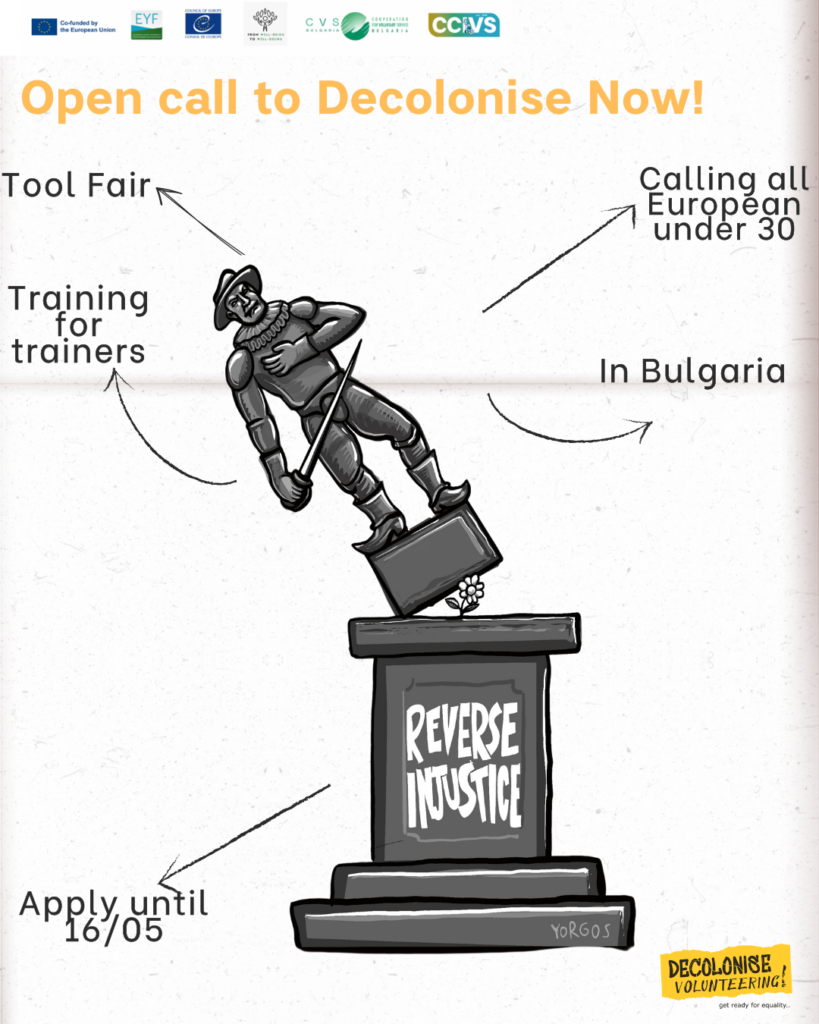
This August 7-13, 2024, in Emen, Veliko Tarnovo, Bulgaria, the “Decolonise Now! Tool Fair and ToT” presents a pivotal opportunity for young Europeans passionate about fostering inclusive and equitable change in International Voluntary Service (IVS). Dive into a week of learning and innovation designed to tackle the colonial legacies still present in international voluntary service.
Why This Event is Important The event is tailored specifically to empower participants under 30 from European countries to lead the charge in transforming IVS into a more inclusive and equitable field. It combines practical tool training with strategic discussions to help dismantle outdated structures.
Event Highlights – Interactive Workshops: Engage with tools like the Decolonise Card Game and Self-Assessment Tool. – Networking Opportunities: Connect with like-minded professionals and activists from across Europe. – Skill Development: Learn effective facilitation techniques to bring back to your organisations.
Who Should Attend? We are looking for motivated young individuals under 30 from Europe who are currently involved in or are interested in the field of IVS. The training is particularly beneficial for volunteers, trainers, youth workers, and educators who are eager to lead decolonization efforts in their communities.
Impact on Your Career and Organisation Participants will acquire skills and tools to initiate and lead discussions on decolonization, creating a ripple effect of positive change in their respective organisations and communities.
Event Details – Location: Eco-hotel Imenieto, Emen, Bulgaria – Dates: August 7-13, 2024 – Cost: Participation is free; travel subsidies are available to support attendance.
How to Apply Young Europeans interested in making a difference are encouraged to apply early. Complete the online application form by July 5, 2024, to secure your participation.
Act Now: Shape the Future of IVS! Don’t miss this chance to be at the forefront of decolonizing IVS. Apply today to join a dynamic group of young European change-makers at the “Decolonise Now! Tool Fair and ToT.” Learn, share, and collaborate to drive meaningful change.
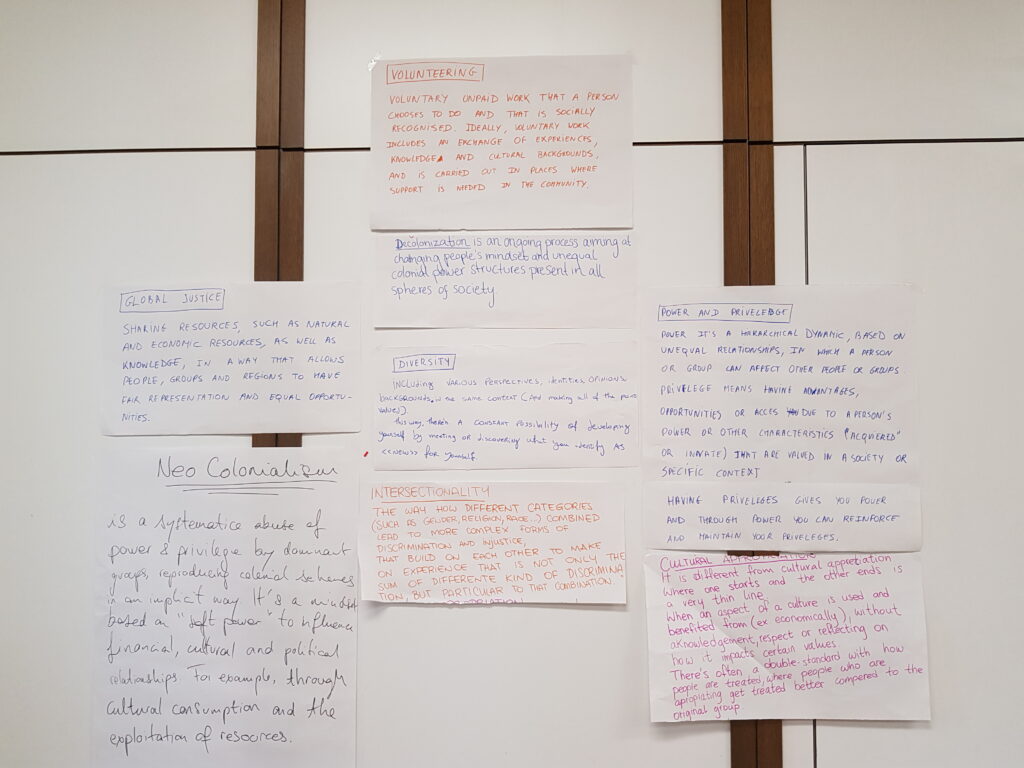
The Online Dialogues, held in 2022, explored some key concepts in relation to the Decolonise! debate. In order to start discussing how we can Decolonise International Voluntary Service, we need to look at certain aspects and break down this all encompassing concept of Decolonisation into smaller parts. Participants exchanged in break-out rooms about topics such as intersectionality, cultural appropriation, power and privilege, neo-colonialism, volunteering and global justice. While all participants agreed on the need to deconstruct certain ‘practices and beliefs’, they also mentioned the importance of language and limitations of our existing vocabulary.
Study session Vienna
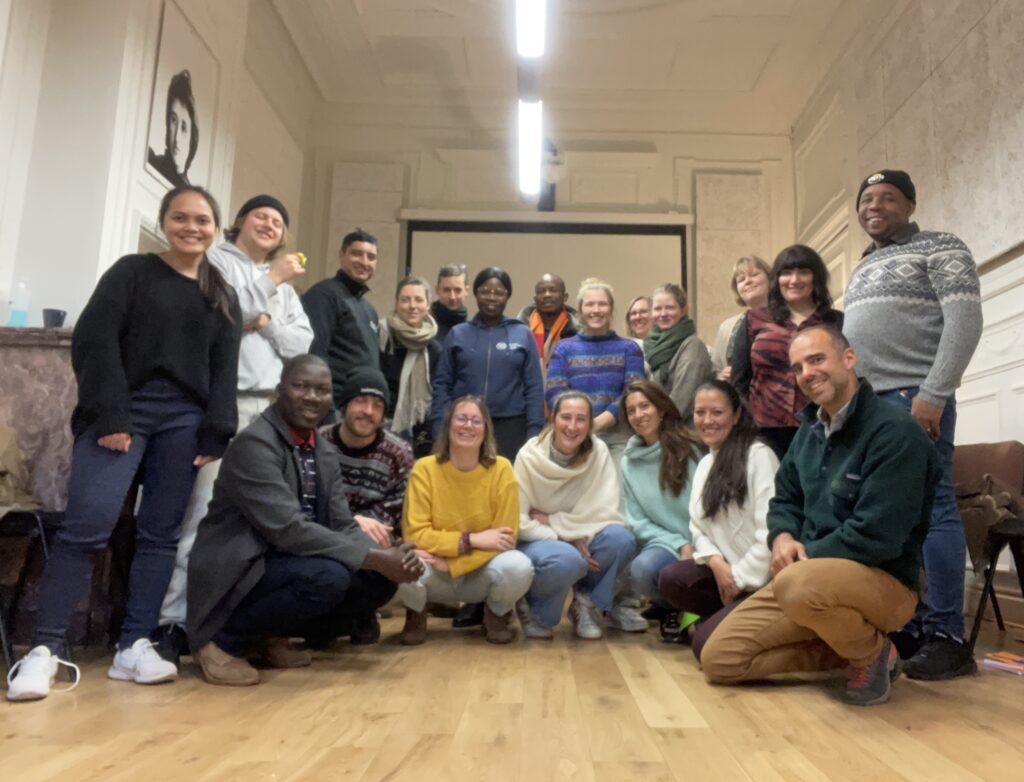
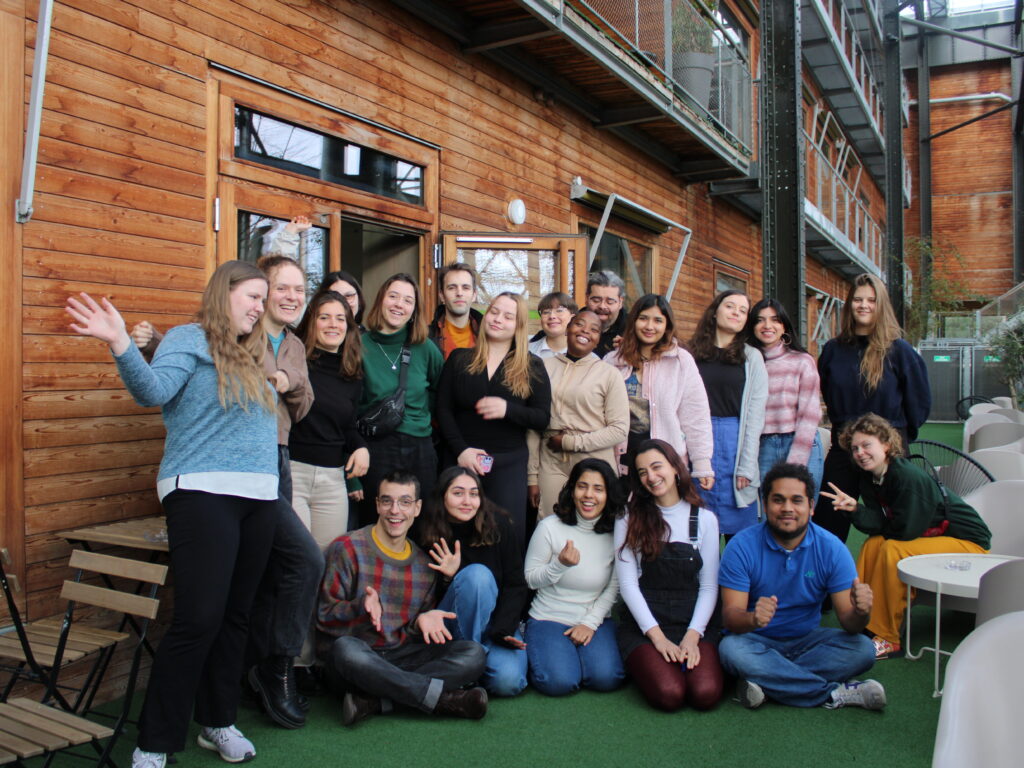
From 9 till 15 October 2022, 20 young people from diverse backgrounds met in Austria to continue the decolonisation debate. Starting from the outcomes of the online dialogues they further discussed the key concepts and created short videos to explain these concepts to a wider public. Did you already take a look at them?
“The discussion surrounding the key definitions, while exhausting at many times still gave me so much insight on the complexity around these topics. Furthermore, it showed how even a room of like-minded people struggled a lot to find common ground.”
“(To Decolonize) We need to start decolonising mindsets: mine and others.”
“I still am uncertain where I stand in the belief if it’s possible to have a fully decolonized IVS, but I left more hopeful than when I entered.”
“Despite the enormous complexity of this topic, I felt somewhat optimistic that in small aspects there can be work done.”
“Especially regarding the social diversity of the volunteer organizations and outreach to more different communities, I think there could be some work done, starting with the self-reflections of the organizations.”
Participatory Action Research
An international team of 20 young researchers will, with the guidance of the researcher Filipe Alves, develop their research skills by carrying out a participatory action research in their own organisation. Different online meetings, on-site training, mentoring and peer-to-peer learning activities are foreseen to support the young researchers in their complex task to initiate and deepen the discussions in their organisations around the topic of decolonisation. Through setting up these discussions in various layers of the organisation and mapping the way volunteers, board members and other key stakeholders understand, value and put in practice the key values of International Voluntary Service they will start a process of change. This common reflection exercise will allow all involved to revise their ways of working so that they become more inclusive, equitable and environmentally sustainable.
Steps: November 29th, 2022: online induction meeting January 31st, 2023: online preparation meeting February 12–19, 2023 : on-site training in Brussels “Participatory Action Research skills” February – July 2023: field work July 3-7, 2023: Research lab bringing together the results and drawing conclusions.
During the Research Lab is was decided to have a second phase of PAR with more focus groups and discussions on key issues identified so far:
Climate colonialism Visa restrictions and unequal access to international volunteering opportunities Resources distribution or how IVS organisations are part of a system where neo-colonial relationships are defining access to resources International Voluntary service and how our language and structures are reflecting certain power structures
“The facilitators were able to keep the group cohesive and they stimulated participation continuously which kept the attention high. I personally felt engaged and involved to all the activities and never felt that the information that was shared would not be useful. I am grateful :)”
“We went into detail on how to Decolonise IVS and my favourite part was in the Fish Bowl and the Decolonise visit. Both opened my own perspective and would be interesting how we can also implement such a training back into our organisations.”
“One of my favoirte parts was the Open Space which gave us the possibility to really discuss some of the process´s aspects and for me, it was really a great input hearing all the different points and concerns and questions of the others.”
In the advocacy training in Paris, the youth advocates received better insights into how decolonisation, IVS and advocacy are linked. They developed their Decolonise! advocacy plan identifying four key areas of interest. This plan will guide their actions and campaigns during the project and beyond to influence decision making in their organisations but also in other important spheres such as donor agencies or policy making institutions.
Steps: December 19th, 2022: first online meeting January 31st, 2023: online preparation meeting February 20-24, 2023: on-site advocacy training in Paris March 2023 to February 2024: implementation of key activities from the current advocacy plan October 2023: communication training January: Advocacy Lab and meeting with policymakers in Brussels
“One of the most beautiful parts was the Presentation by Matías Biachi: being able to listen to and question experts and then discuss them as a group is really fundamental”
“My most favorite part was seeing different points of views about being “volunteer” in neocolonial world. I felt that I am not alone, and people who are living kilometres away from me experience the same difficulties. I loved that we all had our voices in a very safe place to talk. I appreciate the safe place that was built for all of us.”
“Decolonizing IVS training offered me a unique opportunity to learn and engage in discussions about the importance of recognizing and challenging the legacies of colonialism within international volunteering programs. One of the most valuable aspects of this training is the emphasis on examining power imbalances and systemic inequalities, which is crucial for creating more equitable and just practices within the field of international volunteering. Additionally, the training provides practical tools and resources for implementing decolonial practices within IVS programs, making it a valuable resource for individuals and organizations committed to social justice and equity.”
Tools development Laboratory
Over the course of the project, the participating organisations will develop several tools that should encourage organisations to look at their own functioning with the aim to question their organisation’s values, behaviours and structures. A self-assessment tool in being developed with the aim to guide organisations in going through this process of self-reflection.
At the same time some other tools are being developed to improve certain aspects of the International Voluntary Service programmes from a decolonised perspective:
An online preparation module for long term volunteers taking into account an intersectional approach; Revised guidelines for long term exchanges; Revised environmental sustainability guidelines.
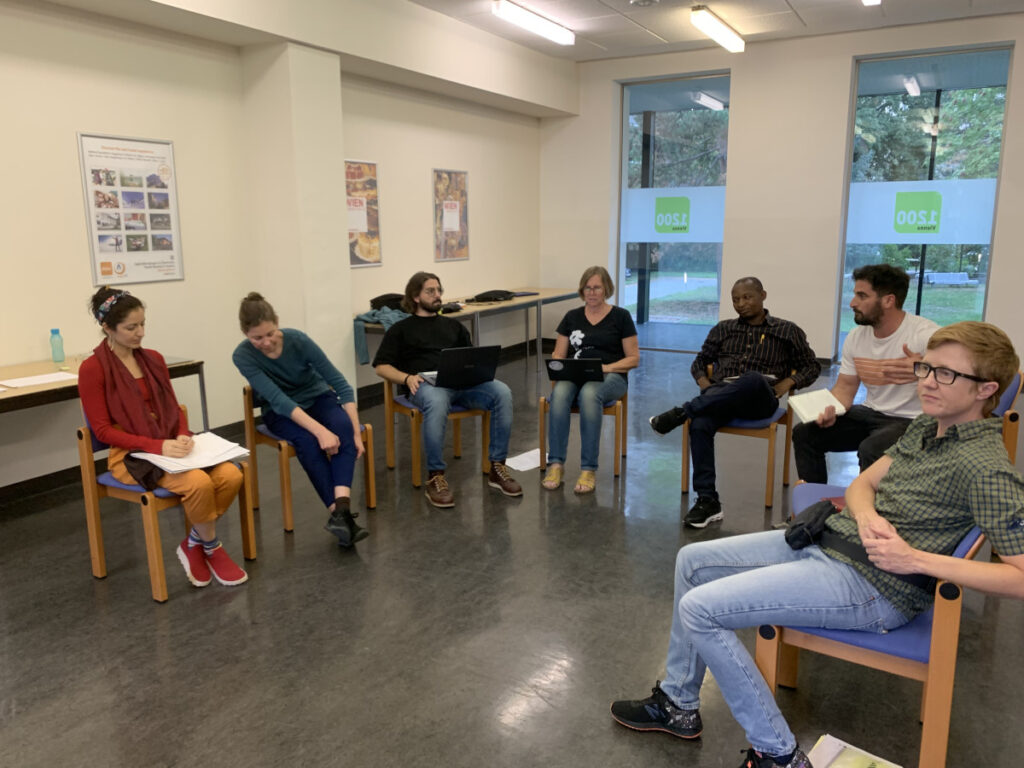
The team working on the development of the tools met in October in Vienna to work on the prototypes of the self-assessment tool and the online preparation module for long term volunteers. While we are still in the middle of our ongoing process of defining what decolonisation means for IVS organisations we are trying to bring together some key issues in these tools but it stays a very difficult process to pinpoint the things we have to change in our organisations and to create the change we want to see.
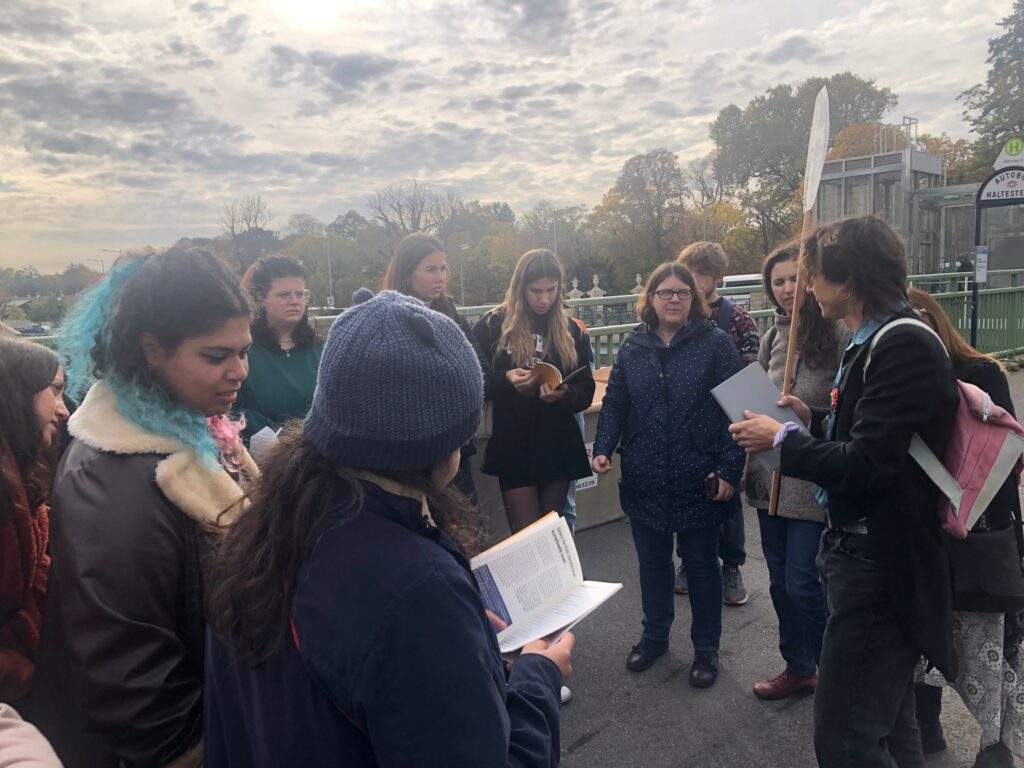
During the Tools Lab, the participants visited the Weltmuseum where a local guide gave a tour of the temporary exhibition “Extinctions!?” . A good reflection moment on the connection between climate change and colonisation but also on our colonial past and how culture and musea are testimonies of this colonial past and keep a certain colonised narrative alive.
“ I have had the privilege of being included in the project almost since the beginning and I’ve seen all its phases, which makes me feel sort of an insider in a way that I’ve seen lots of struggles along the way already. But I’m definitely learning from these tools’ creation process. Hopefully, we will keep modifying our tool kit continuously and it will evolve according to the inputs of organizations who will use it.”
Decolonise IVS! MOOC: volunteer pre-departure training for meaningful engagement
To support the pre-departure training of volunteers, the project has been creating a Massive Open Online Course (MOOC). What can we expect from the MOOC? At what stage is the work now? Let’s ask Gianluca Bellotto, a member of the coordinating team of the work for MOOC.
Why do you think it’s important to develop another pre-departure tool for long term volunteers within the Decolonise IVS! project?
We think it’s worth, if not fundamental, to give volunteers as many tools as possible to fill their experience and co-operation in the community with meaning. With meaning we mean responsible mindset and concepts and feelings that empower inclusion and solidarity. Considering this, we propose the Decolonise! approach as a puzzle piece to be merged with other elements, with the aim of fostering winds of change. This tool is aimed to sensitize young people. It has been designed specifically for them and empowered by the learning potential of the online software. Youngsters, with their energy and enthusiasm are the fuel of the volunteering world and, in general, our future, so we consider them the most important target to guide and exalt.
When do you think it will become available and how would you recommend organisations to use this module?
We have elaborated a draft and will next ask for feedback from a testing group. We expect the tool to be ready during June–July. The technical part is a challenge for us, we don’t really have web developing skills, and the platform we’re using is all to discover. We’ll ask for help from professionals for the final realization, but first, we need to understand how to merge what we aim to communicate with the digital frame. Surely we’ll do our best to give young volunteers a modern learning tool.
The organizations should administer the course to the volunteers before the departure. The MOOC is directed to all volunteers about to start their experience but can also be used during the volunteering period or after it. Even if it’s a one-hour engagement, they need to take their time to reflect on the topic.
Can you provide a brief overview of the key learning objectives and topics covered in the MOOC?
From deconstructing the structures of colonialism, we aim to inspire a framework of decolonial thinking on the line of inclusion and equality. The first object is comprehending what IVS means and the cultural diversity that characterizes it. Then, learning the concept of coloniality (the colonial mindset), with its collateral forms of discrimination, and how it negatively affects the voluntary world. Lastly, we aim at inspiring the volunteers to reflect on their own motivation to volunteer.
Can you share some insights from the development process that have shaped the design of the MOOC?
Organizations contributed to the MOOC through online meetings, in-person workshops, and external support. Each one designed a module, defining content and format of the paragraphs. All of that is processed through the framework of HOP, the platform dedicated to fostering online learning in European volunteering programs. The design had been “digital based” from the start, with the purpose of creating an interactive and stimulating online resource. We conceived a tool aimed to make departing volunteers reflect on their motivations, working as a stimulus to change their mindset. It is based on communicating concepts, but also submitting various activities to keep the minds on the spot.
Food for Thought Laboratory
From July 10th to July 16th, 2023, Ferrara, Italy, became the nucleus of an inspiring movement as 21 participants joined forces to present the groundbreaking results of the Decolonise Participatory Action Research (PAR) and to explore together with the Decolonise Youth advocates how to bring about the necessary changes. The Decolonise! Project aims to pave the way for a more inclusive and equitable future by examining the essence of International Voluntary Service (IVS) through a decolonial lens. ?
The “Food for Thought Laboratory” served as a vibrant space for collaboration, exchange of ideas, and deep reflection on the journey of Decolonising IVS. It provided an opportunity for involved stakeholders to collectively analyse the progress made so far and strategize the next steps towards meaningful transformation. The goal was to reshape perspectives on volunteering and beyond, fostering an environment that acknowledges and addresses historical power imbalances and colonial legacies. While several SCI branches have been working on this topic and started developing tools to support branches in their decolonisation process, many of the IVS organisations still struggle with understanding the different values and mechanisms that influence our current IVS structures and practices. A wider conversation is needed to share knowledge and imagine a different future. “The Food for Thought Laboratory” was meant to be such a space where participants could bring together different perspectives, embrace different cultures, dismantle hegemonic structures, and amplify marginalised voices. It envisioned a future where volunteering becomes a platform for true reciprocity, mutual learning, and regenerative practices.
“I enjoyed the presentations of all the participants and the different approaches that we followed within our organisations. I think that we learnt a lot from each other’s work and we were inspired by the other topics that our peers brought up.
Open Conference
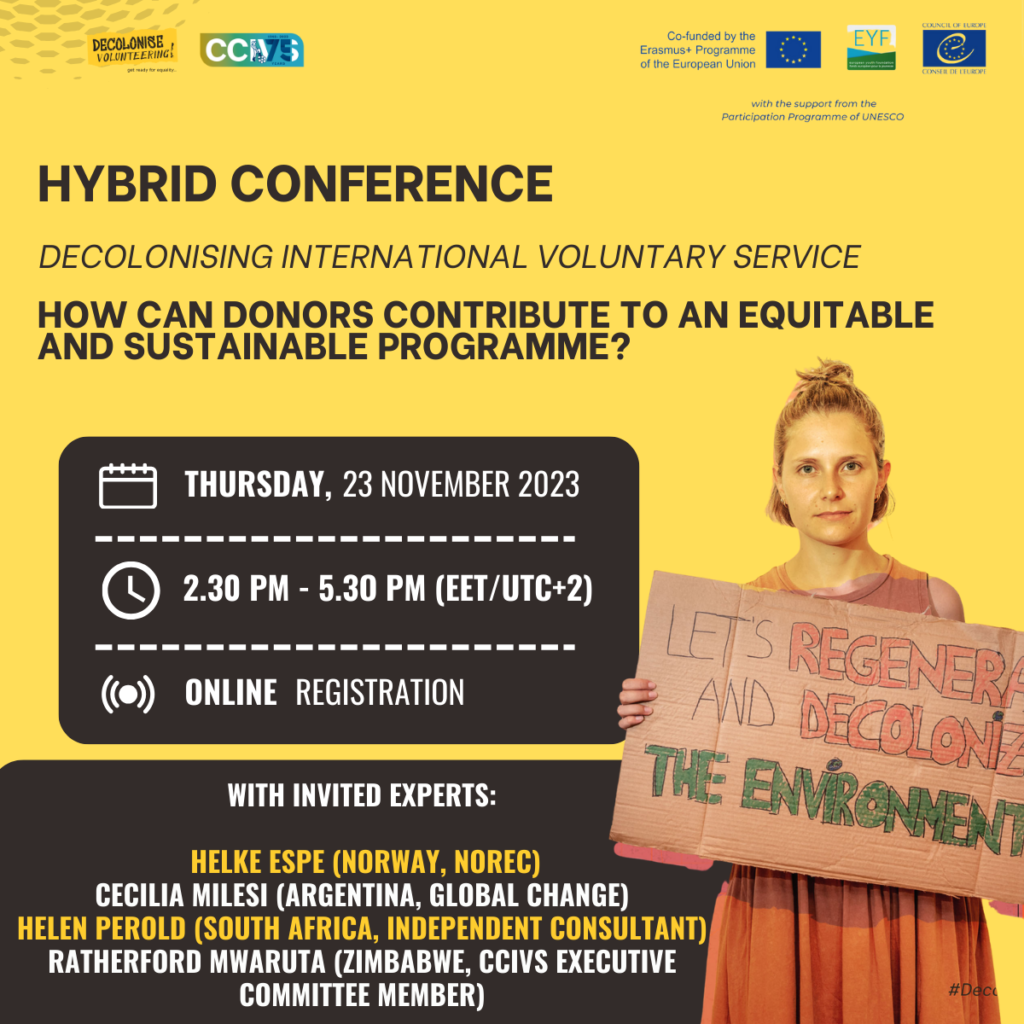
Decolonizing volunteering: how can donors contribute to an equitable and sustainable volunteer programme?
Invited experts:
Helke Espe (Norway, NOREC) Cecilia Milesi (Argentina, Global Change) Helen Perold (South Africa, Independent consultant) Ratherford Mwaruta (Zimbabwe, CCIVS EC member referent for the African region)
Graphic facilitator: Yorgos Konstantinou
Provisional programme (EET/UTC+2)
2:30 PM A short presentation of the International Voluntary Service movement Cecilia Milesi (Argentina, Global Change) 3:00 PM Panel debate: decolonising volunteering: how can donors contribute to an equitable and sustainable volunteer programme? 4:00 PM Short break 4:14 PM Break-out rooms: How to engage in the decolonisation process? 5:15 PM Wrap up and conclusions.
Discover the engaging and insightful discussions during the Decolonise IVS! Hybrid Open conference.
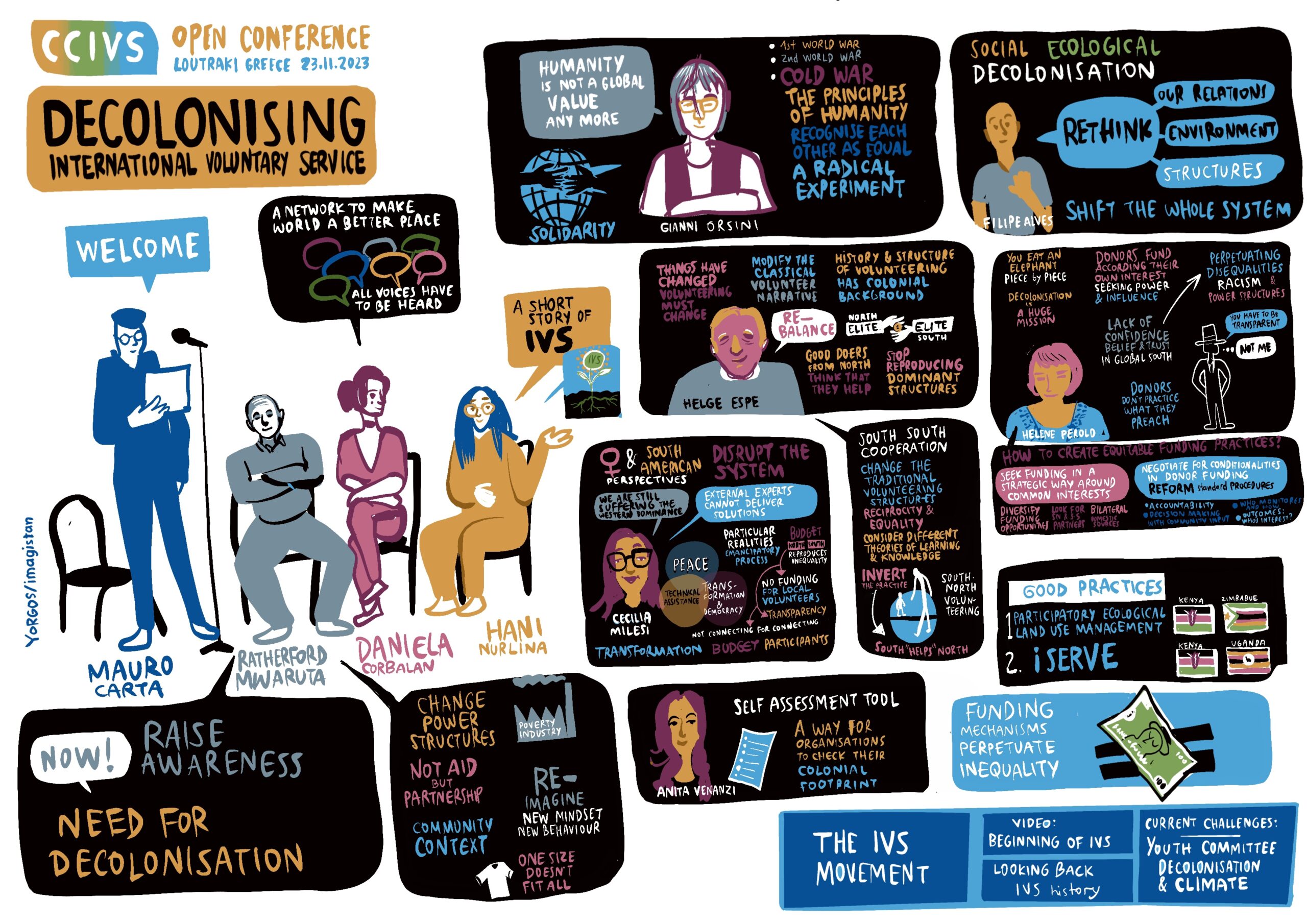
Mauro Carta, our lead facilitator, kicked things off with support from Hani Nurlina and Daniela Corbalan from the CCIVS Youth Committee, introducing the organising team and our esteemed guest speakers. Hani and Daniela delved into the history of IVS, providing a backdrop for the dynamic conversations to come. Gianni Orsini, former CCIVS president, shared his perspective on global changes over the past five years and the vital role IVS plays in fostering global peace.
We were treated to a firsthand account of the transformative power of IVS through an eco-workcamp in Palestine, highlighting the profound impact it has on volunteer awareness of local realities. The Living Earth campaign and the Decolonise IVS! projects were also presented, underscoring the imperative of shifting mindsets and dismantling unequal power dynamics.Our guest speakers then took the stage to tackle key questions about the role of donors in perpetuating or combating inequality and colonial legacies within IVS. Their insights sparked a lively discussion about the urgent need to decolonize our practices and prioritise inclusivity and equity in all aspects of our work.
After a brief intermission, participants regrouped for smaller discussions, both online and offline, focusing on self-assessment tools, structural changes for more equitable partnerships, and practical steps for initiating decolonization efforts within organisations. In the self-assessment group, there was a consensus on the necessity of promoting such tools, particularly in regions where decolonial thinking is still nascent. The funding group highlighted the importance of equal partnerships and collaborative brainstorming to reshape existing funding practices. Meanwhile, the ideation group explored strategies for fostering inclusive spaces and addressing power imbalances.
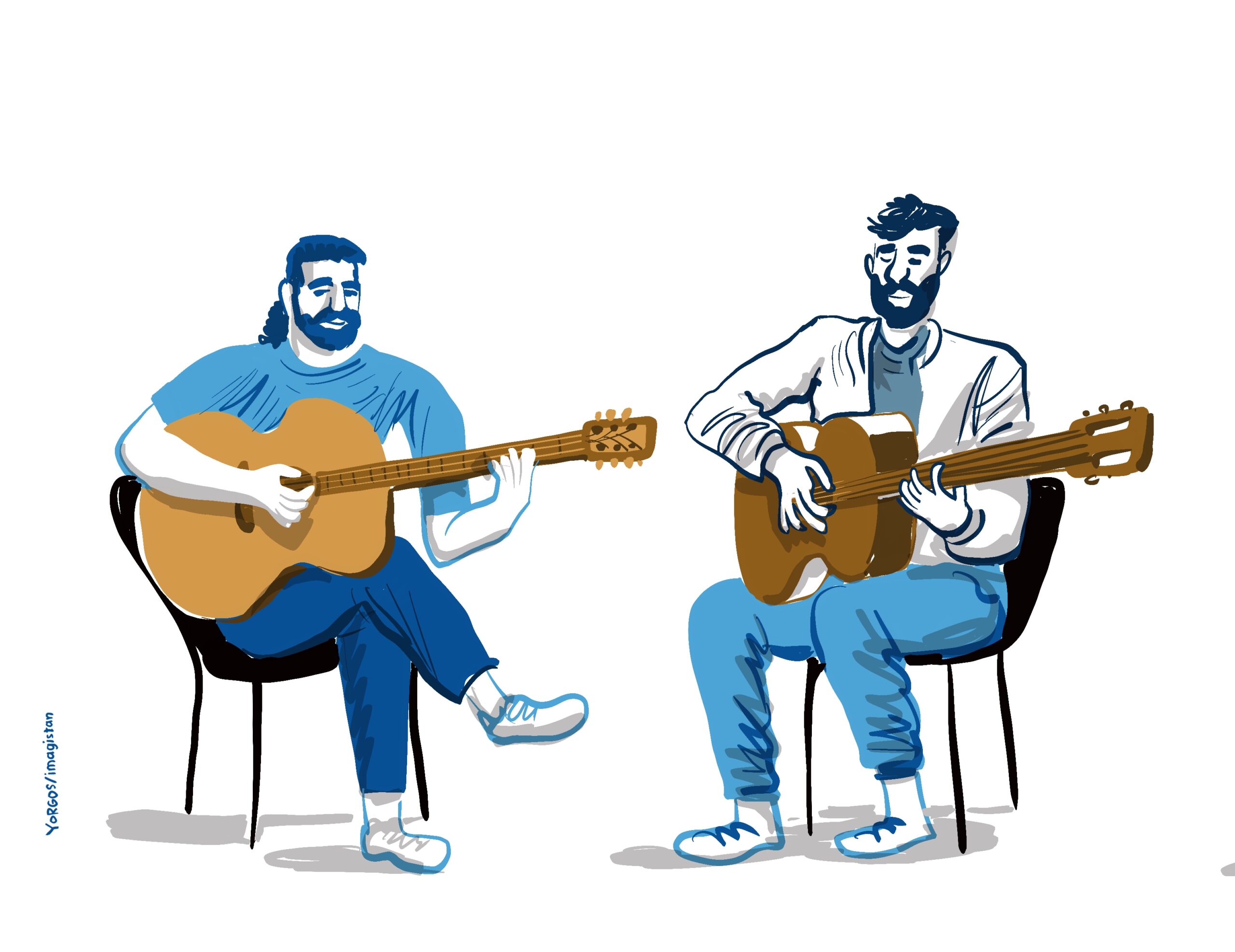
As the conference drew to a close, Yorgos shared a sketch capturing the essence of our discussions, while Adham, Jalal, Linus, and Kola treated us to a musical finale. We extend our heartfelt gratitude to all participants for their active engagement and invaluable contributions. Let’s continue these conversations and work together to drive positive change within IVS.
Helge Espe is a sociologist/Social Scientist from University of Oslo as well as an Urban and Regional Planner. He is presently a senior adviser to Norec (Norwegian Agency for Exchange Cooperation), covering multi-lateral networking, including UN entities, the OECD, the AU and civil society networks. He thematically covers fields like policy and strategy development, research and advocacy, especially with regard to south-south and triangular cooperation, as well as international personnel exchange and volunteering.
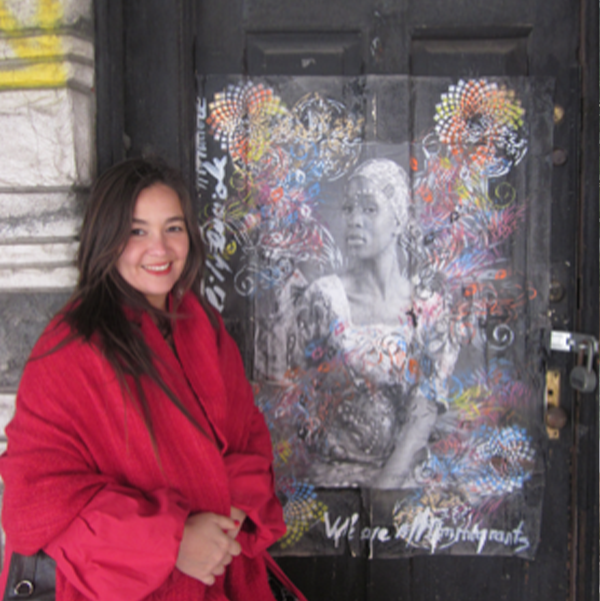
Cecilia is a Latin American sociologist with over 25 years of experience providing strategic advice to multilateral organizations, grant-makers, non-governmental organizations, and social movements in Latin America, Africa, Asia, and Europe with the vision to create a world of dignity for all. Today, she is the Senior Advisor on Decolonizing Research Partnerships at ODI – a global affairs think-tank with offices in London, Washington and Brussels.
Cecilia Milesi is the founder of Subir al Sur, today a SES Foundation’s programme promoting youth leadership and intercultural volunteering. Currently she is a member of Subir al Sur’s Advisory Board. Cecilia also established Global Change Center, a South-South platform raising Global South voices with the aim to catalyse change processes.
Cecilia has provided strategic advise to some of the most renowned organizations from around the world: United Nations agencies (UNDP, UN-Women, UNV, UNOSSC, UNSSC), the Islamic Development Bank (IsDB), the Commonwealth Secretariat, the Swedish International Cooperation Agency (SIDA), Amnesty International (International Secretariat), CDA-Collaborative Learning, Save the Children, Ford Foundation, Luminate, the Institute of Development Studies (IDS), Oxfam GB, Conciliation Resources, the Kering Foundation, Voluntary Service Overseas (VSO), among many others.
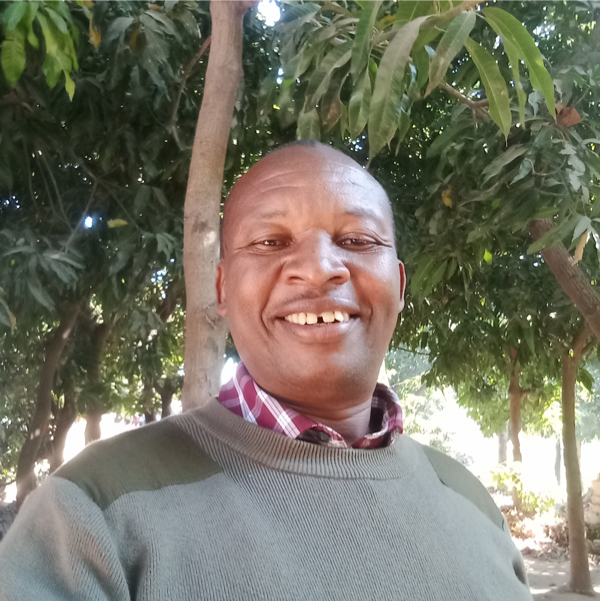
Community-Driven Systems Change Practitioner by training and practice with strong biases on International Voluntary services as a vehicle to promote community development and international understanding. More than 25 years’ hands on experience on grassroots programs at National and international level with the Zimbabwe Workcamps Association (ZWA) , Coordinating Committee for International Voluntary Services (CCIVS) and Southern Africa Workcamps Cooperation (SAWC). Presently, working on the operationalization of the Pan Africa Volunteer platform -Network of African Voluntary Organizations (NAVO).
Helene Perold is a South African independent social research consultant, evaluator, publisher and strategist who has worked in the fields of volunteering, active citizenship, youth development and community service (among others) for over 30 years.
She is well known and respected in the field of volunteering research regionally and internationally, and has worked on 23 studies about volunteering. She has also drafted four public policies on volunteering and civic service, participated in multiple international conferences, and has produced 30 research publications in this field.
She is a member of the FORUM Research, Policy and Practice Learning Group, the International Society for Third Sector Research, and the Africa Evidence Network.
Advocacy Laboratory
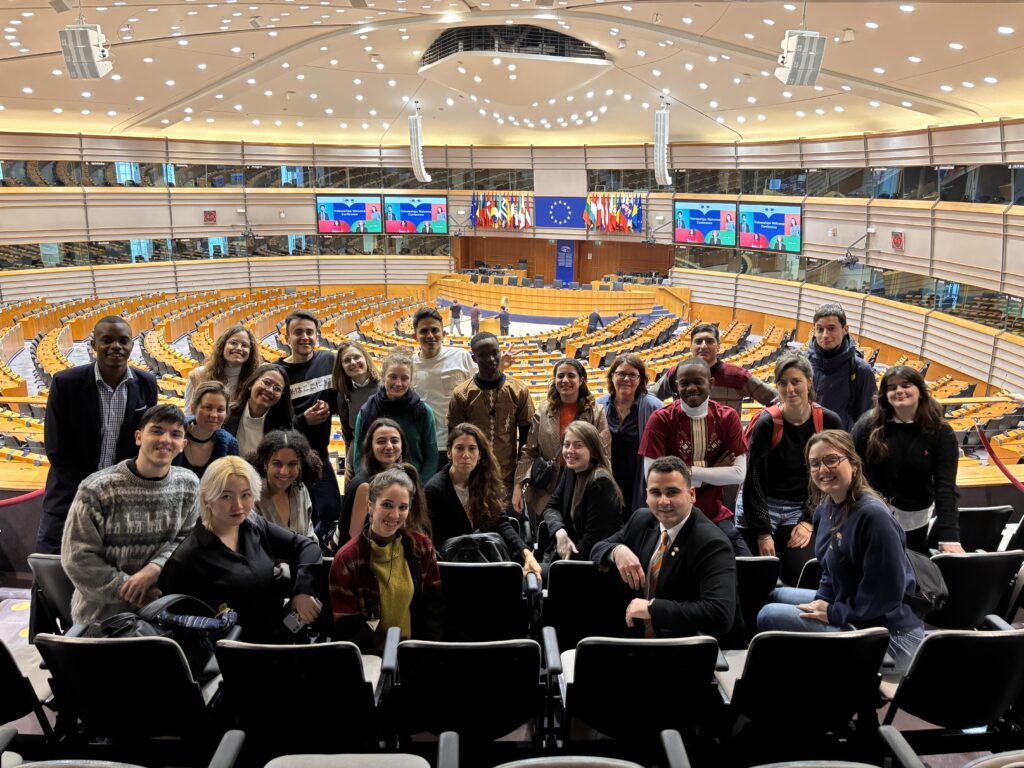
From February 25th till March 2nd 2024, a group of 20 young people met in Brussels to work on the Decolonise Long Term Advocacy Strategy. Based on the learnings from the advocacy training which took place in 2023 in Paris and the first attempts to start the advocacy work by developing the policy papers, the youth advocates now analysed the stakeholders and different institutions which they should focus on in order to bring the policy papers forward and influence policymakers.
The young people did a lot of homework and came to the Advocacy Lab with a lot of information they had researched online. They shared their findings with the other participants and used the Lab to further explore how they could put in practice an effective advocacy strategy around the 2 policy papers that were developed so far. One is addressing the issue of EU funding and the other one is the existing visa procedures. One afternoon, a network event was organised, bringing together like-minded organisations, relevant institutions and other potential allies. After the keynote speech from Chafik Allal (ITECO), a fishbowl debate took place with the participation of some guest speakers but also with input from the participants who wanted to make their voices heard.
One of the highlights of the week was also the workshop on European decision making by Europahuis vzw and the visit to the European Parliament.
One of the participants interviewed Chafik Allal after his intervention in the networking event. You could watch the interview here:
https://www.youtube.com/embed/WfVpNMN-m8o?feature=oembedInterview with Chafik Allal after his keynote speech “Decolonisation: a buzzword or a real need to change our mindset and the way we work?” | Full Interview
Dive into the Discussions at the Advocacy Laboratory
Gain valuable insights from the dynamic discussions that took place during the Advocacy Laboratory. Read the full report to see how participants are shaping the future of youth advocacy, particularly in the areas of decolonization and creating a more equitable International Voluntary Service.
Key topics include: – Reducing Visa Barriers: Promoting freedom of movement for volunteers. – Rethinking Funding Mechanisms: Making project design, implementation, and evaluation more inclusive.
After exploring the report, don’t miss out on the policy papers developed by our advocacy team. These documents provide strategic recommendations and innovative solutions for advancing our advocacy goals.
The Advocacy Laboratory was developed with financial support from the Erasmus+ programme of the European Union and the European Youth Foundation of the Council of Europe. The views and opinions expressed are however those of the author(s) only and do not necessarily reflect those of the European Union, the European Education and Culture Executive Agency (EACEA) or the European Youth Foundation of the Council of Europe. Neither the European Union, EACEA nor Council of Europe can be held responsible for them.