
Decolonise IVS/Teams

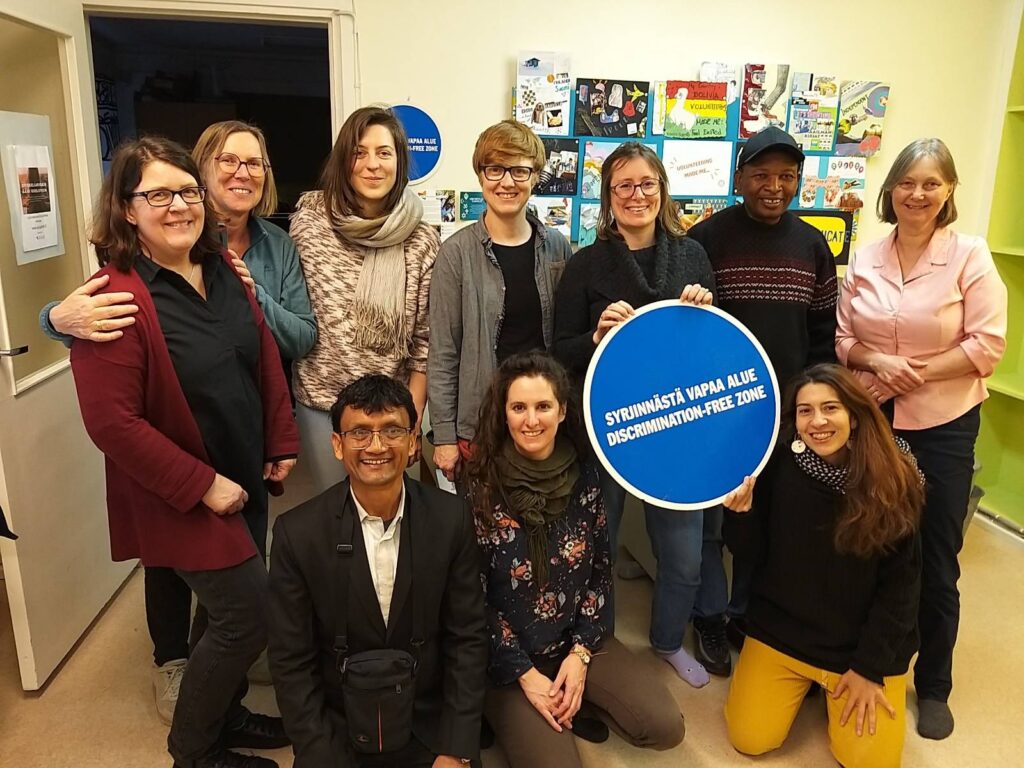
In 2023, the steering committee met in Helsinki, Finland, hosted by Maailmanvaihto – ICYE Finland

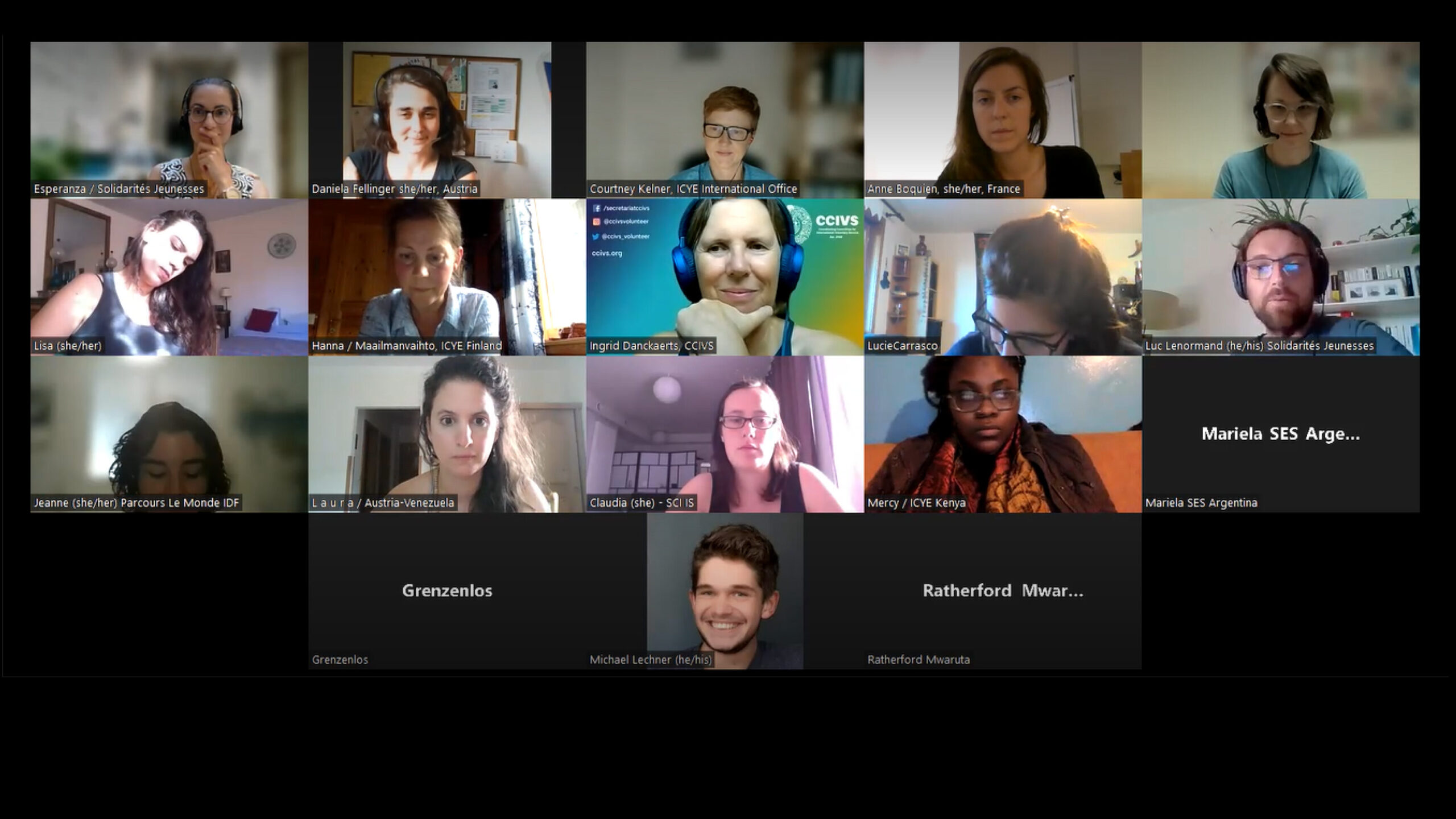
The Decolonise Steering Committee meets monthly online to follow up on the project’s progress and to plan the upcoming activities. The DSC is composed of one representative from each participating organisation and CCIVS and ICYE are coordinating this team.

Besides regular online meetings, the Decolonise Steering Committee also meets in situ to exchange on the challenges encountered and to discuss the work plan in more detail. Each meeting is hosted by a consortium member. 

The first DSC meeting took place in Berlin, Germany and was hosted by ICYE. The meeting ended with a decolonial tour in Berlin which was very symbolic as one of the participants reminded us that the Berlin Conference of, also known as the Congo Conference or West Africa Conference, concluded on 26 February 1885, with the signature of a General Act, regulating the European colonisation and trade in Africa during the New Imperialism period.

The DSC met for the second time on 28 March – 1 April 2023 in Helsinki, Finland, hosted by Maailmanvaihto – ICYE Finland. The meeting included an insight into local realities in Finland as a guest speaker from the secretariat of the Truth and Reconciliation Commission Concerning the Sámi People shared some of the discrimination and rights violations the indigenous Sámi people have historically and currently been facing and the work done to advance their rights and wellbeing.

The third DSC meeting was held 12–16 December 2023 in Vienna, Austria, hosted by Grenzenlos. Besides assessing the progress of the project and making future plans, the DSC took a bit of time to discuss from their points of view some of the questions presented in the self-assessment tool for IVS organisations that are being developed in the project.
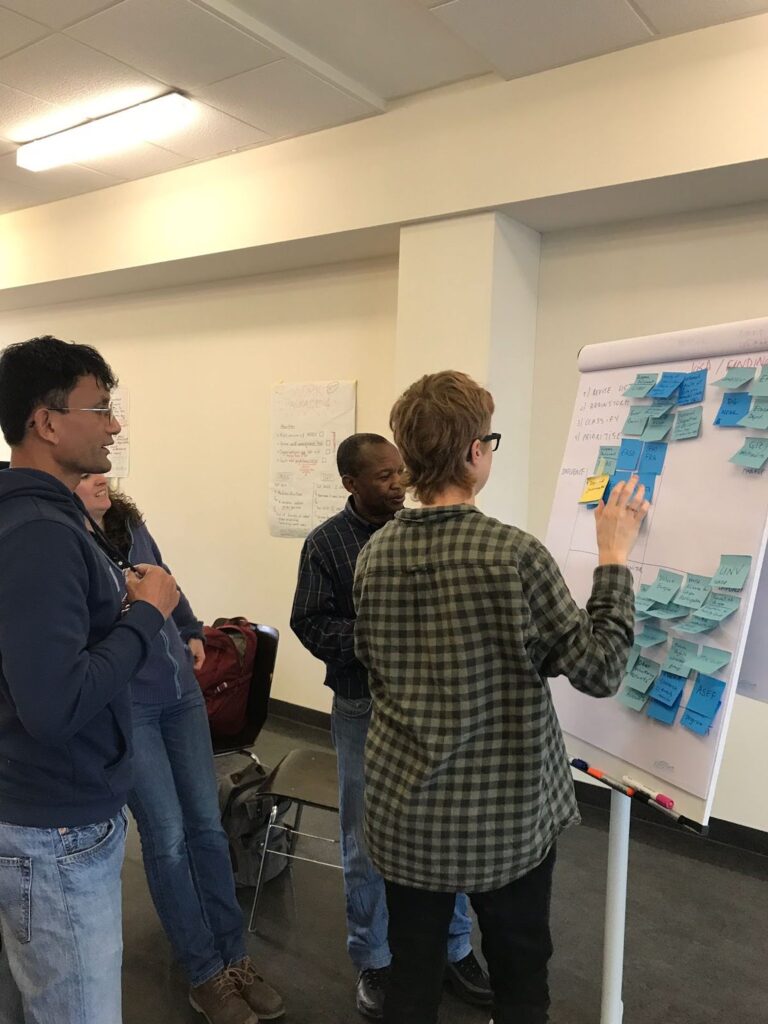
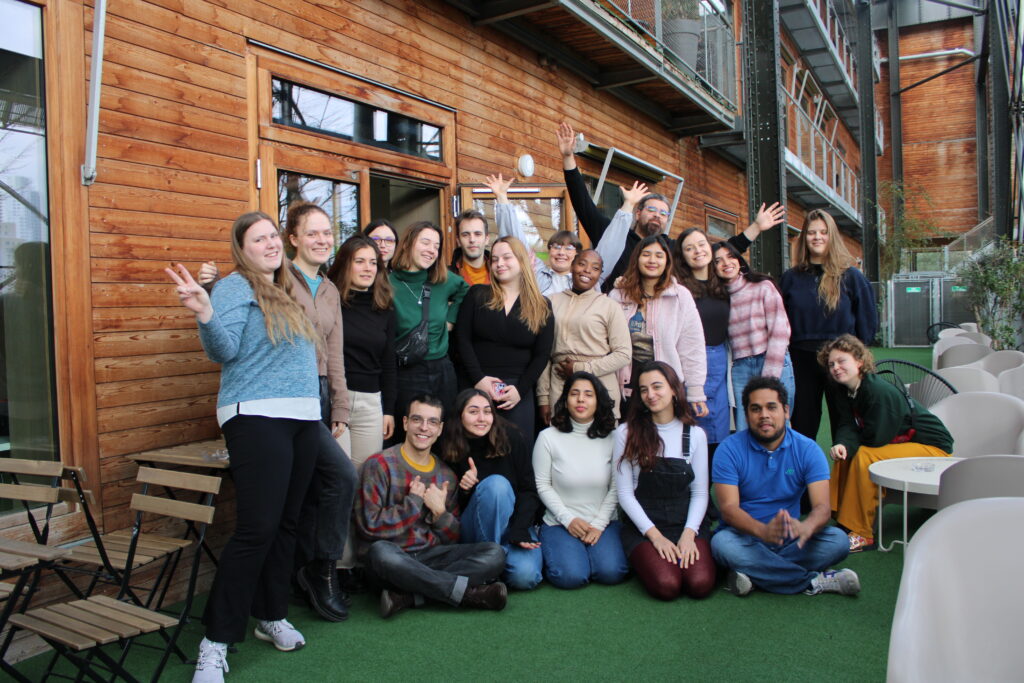
Steering committee members working in Vienna, December 2023.
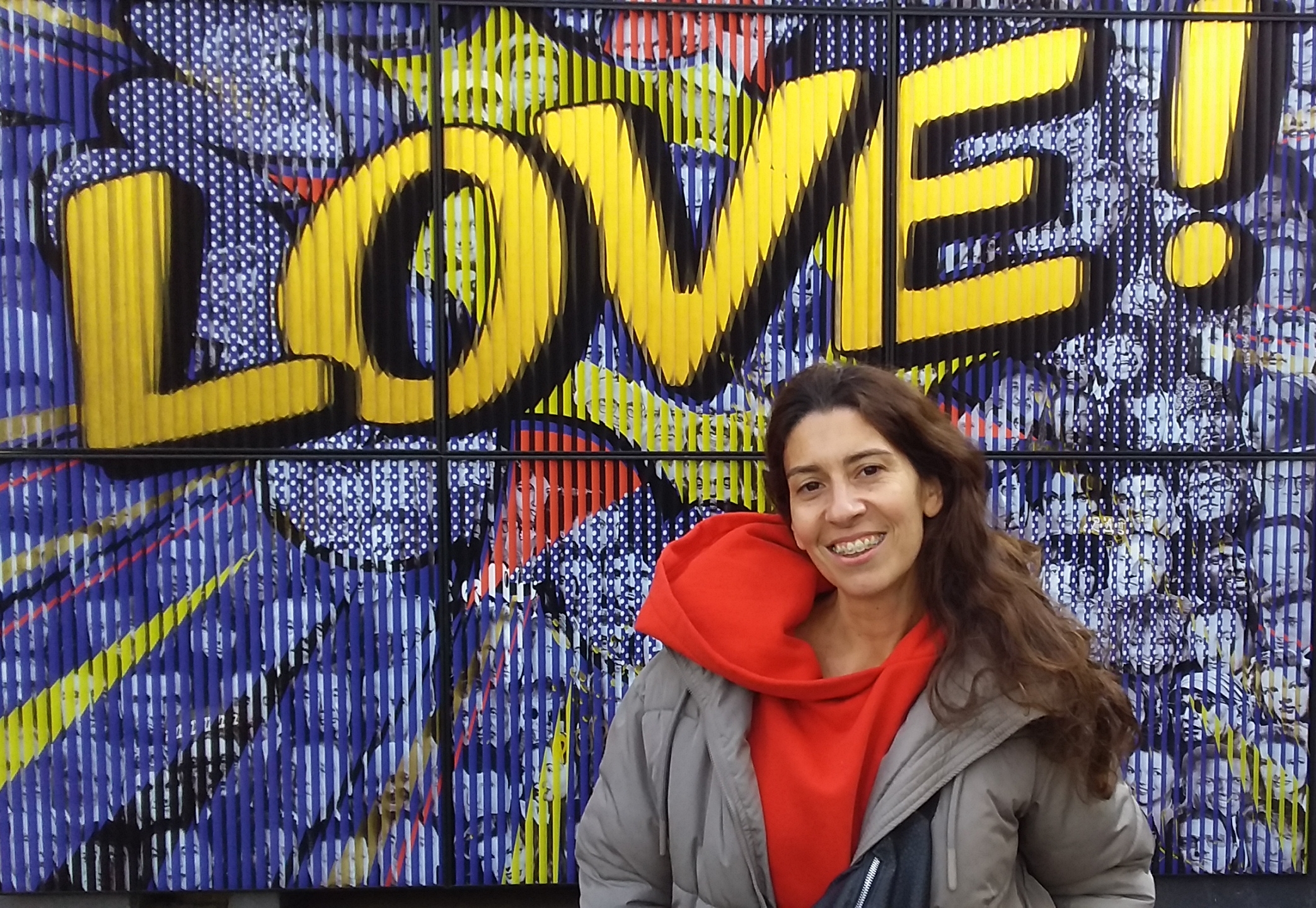
Meet Mariela Ortiz Suarez, one of the Steering Committee Members

Member Feature: Mariela Ortiz Suarez, member of the Decolonise Steering Committee


Hi Mariela, could you briefly introduce yourself?

I am Mariela Ortìz Suàrez from Fundación SES Argentina. I have a degree in Communication, specializing in Policies and planning in the communication field, and I hold diplomas in Social Economy and Local development and Volunteering management. I have worked in civil society organizations focusing in youth and in the public sector (Environment Ministry, Educational Ministry or Buenos Aires Legislature) leading projects and programmes which involved the strengthening of organizations and local communities. 

As a member of the steering committee, what do you consider to be some of the most significant accomplishments of the project in decolonising international volunteering?

I would like to highlight the journey of learning (not finished yet) that we did as a team and stakeholders in the field of intercultural volunteering. In my view, this project permitted us to re-think our way of working and reflect about the sense of the real practice of cooperation and understand our cultural bias and what we need to start changing. It was an opportunity to assume more consciousness about our responsibility as intercultural educators with young volunteers and workers and stakeholders promoting peace and justice in our environments.

I find this project also as a “bridge” to start talking with others – decision or policy makers, networks, other organizations, and universities. The outputs reached meant discussions, exchanges and knowledge production. We are not in the same stage as two years ago. We have more clear ideas expressed in policy and position papers, campaigns, a game, a self-assessment tool, and other material which permits us to start conversation and spread our perspective in order to build changes with others.

What challenges has the project encountered in advocating for decolonisation? Could you share some of the lessons learned?

The route to decolonisation never ends. The challenges will be ever greater and more complex because the forces of our neoliberal, extractivist, and exploitative system are increasingly imposing themselves on our societies. This does not mean that we cannot do counter-culture. The challenge will be to build new (our own) criteria for collective work where the imperatives of the market do not govern (too much) our processes with the principles of efficiency, immediacy, massiveness, or Western valuation as the norm.

I believe that it is necessary to work pedagogically with all decision and policy makers to ask for more mechanisms for active participation for the design of the programmes and the funding distribution of the programmes for volunteering. We need evaluation mechanisms that do not reproduce the asymmetries and injustices that are already evident in our communities and in south–north, north–south, south–south, and north–north relations.

What did we learn? The advocacy strategy needs to be built from clear issues and concrete things. In our project, we focused our work in funding programmes Erasmus+ and European Solidarity Corps programmes and visa barriers for volunteering. We also need to accurately map the audiences and stakeholders and take in account political conjunctural times. Communication and dissemination strategy still is a challenge because it is not easy to catch the attention in certain issues so we need to work more in concentric circles from the inside out, extending our networks of diffusion.

Finally, time is the most precious of the resources and generally not enough for such a long necessary process of the project. Advocacy and resources development always are partners and need time to accompany each other.

How has the project influenced or reshaped the perspectives and practices of your own organisation and its volunteers regarding decolonising their approaches to international volunteering?

In the case of Fundación SES, decolonisation issues have entered more strongly into the training curricula of our local seminaries with volunteers. We also started to develop projects with the aim of expanding actions in the programme. Step by step, we are adapting the decolonisation themes to our local context, because not all the contents developed in the course of the project are interpreted in the same way in our culture.

As the project nears its conclusion, what do you envision as the legacy or lasting impact of its efforts in the field of international volunteering?

I think it is important to continue to nurture what has been capitalised within the framework of our networks, above all. Decolonisation issues have gained prominence at General Assemblies, in exchange programmes, and in the debates of member organisations. These developments cannot remain only in the framework of a further implemented project. Partner organisations must make efforts to continue to amplify the debates and strengthen various initiatives at local, regional and international levels.

Looking ahead, what do you believe are the key next steps or areas of focus for continuing the work of decolonisation within international volunteering initiatives?

Work more closely together and have more reference among decision-makers. Do not abandon awareness-raising work with volunteering organisations for learning in a more collaborative and fairer way. Build a more horizontal work culture among partner organisations, which values the capacities and the idiocracy of them.
Participatory Action Research Team

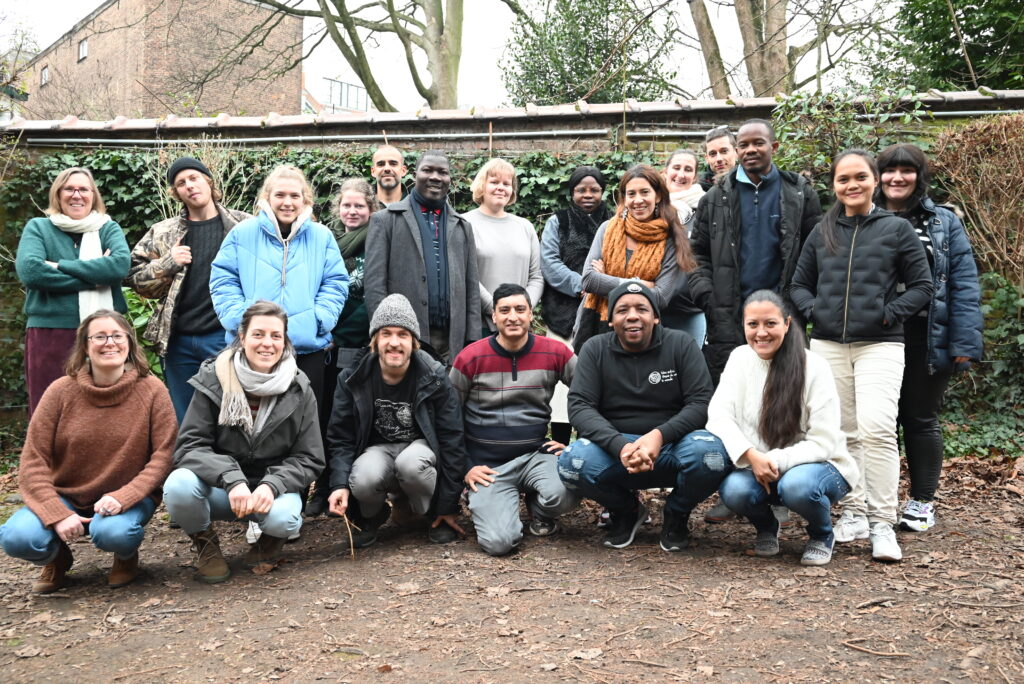
The project Research Team is composed of members coming from our network of International Voluntary Services (IVS) organisations in Argentina, Austria, Belgium, Ecuador, Finland, France, Germany, Germany, Nepal, South Africa, Togo, the Philippines, Uganda, and Zimbabwe met in Brussels for a week of co-learning, co-creating, and collaborating.

Diving deeper into the topic:

The Participatory Action Research Team consists of 20  members from the partner organisations. The team of researchers will explore further the existing neo-colonial aspects of international volunteering. First, the team learned about PAR in a training led by researcher Felipe Moreira Alves and will then conduct research in their own organisations, with peer support from the other team members.

Filipe Miguel Moreira Alves is connected as a researcher/lecturer to the University of Lisbon but he also works as a facilitator and mediator between civil society, academia and decision-makers using participatory action-research methodologies and promoting local empowerment and active participatory citizenship. He is highly engaged with social innovation and social entrepreneurship in Portugal and Europe. 

Youth Advocacy team

Youth advocates

Raising our voice for decolonising international volunteering

This international team of 20 youth advocates will contribute with their work to decolonising IVS by deconstructing existing values, practices, and structures to generate change. They will engage with IVS organisations, volunteers and policymakers and work with them to deconstruct existing narratives in practices in IVS, understand and challenge the distribution of economic resources, question and transform the negative impacts of IVS practices on the climate and address visa mobility barriers to make IVS easier to access.

Meet Ian Tawanda Mugowa, one of CCIVS Youth Committee Member

Youth Advocacy team – the interview with Ian Tawanda Mugowa


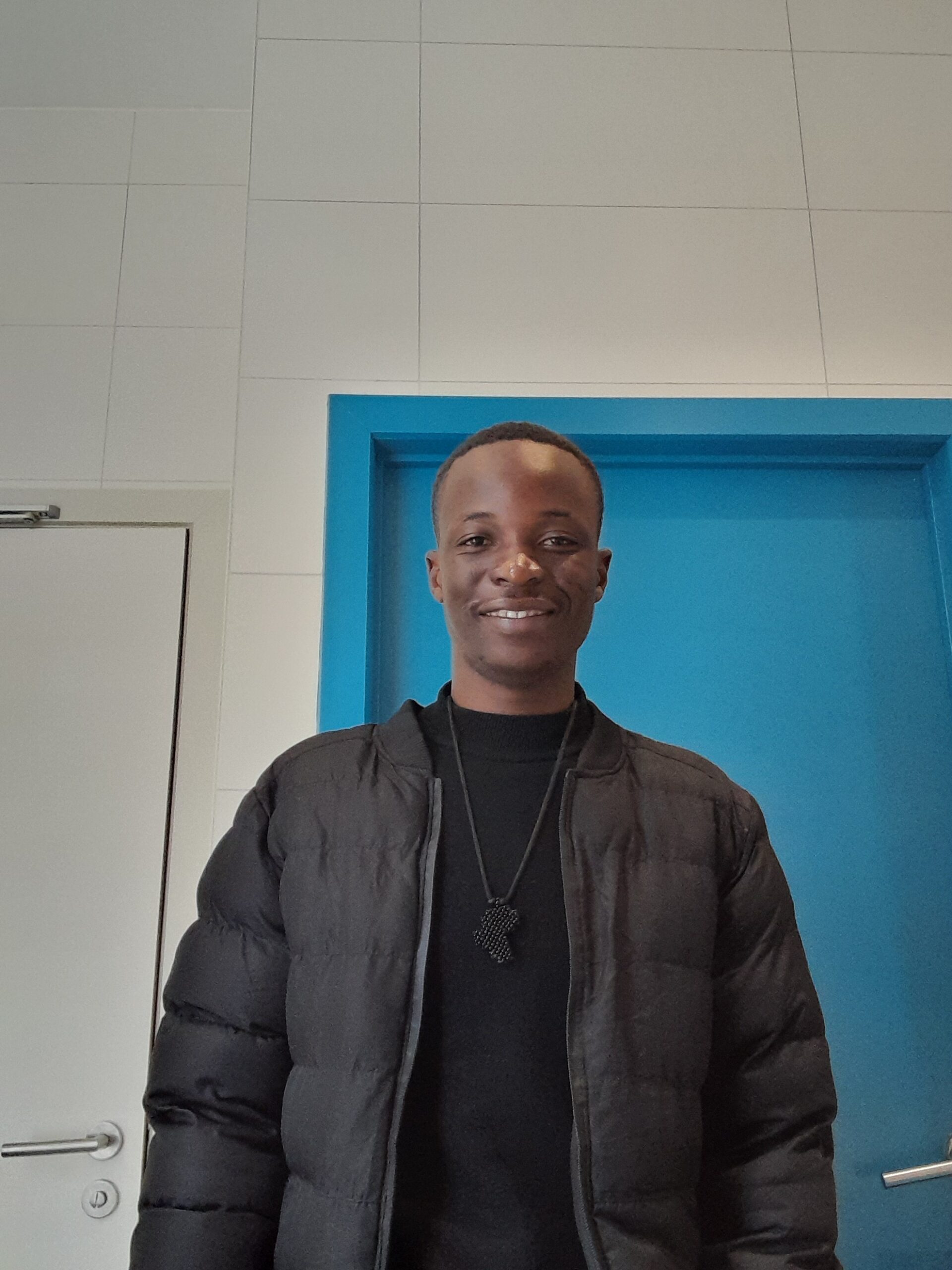
Hello! I am Ian Tawanda Mugowa, a holder of Bachelor of Arts Honors Degree in Archaeology, Museums and Heritage Studies. I am a volunteer member for Zimbabwe Workcamps Association (ZWA), from Zimbabwe. Simultaneously, I am also a CCIVS Youth Committee member. As a highly motivated and passionate volunteer, I strongly believe in peace, global solidarity, social justice and cultural exchange as the main pillars to build a sustainable world. 

Do you know what Volunteering is? 

It is a voluntary act of an individual or group freely giving their time and labor to contribute to community work. Through this engagement, volunteers can explore, experiment, learn and develop ways of thinking to a broader perspective. Volunteering can be local, regional and international, however there are some challenges faced by volunteers and voluntary organizations in their exchange programs, mainly between the Global South and the Global North. Among these challenges, the two major ones are Visa and Funding issues. The roots of these challenges can be traced back to colonial times, and the colonial effects are still present in our mind set and operational systems.   

Oooh yes! We can help each other to know “How colonial legacy affects International Voluntary Service (IVS)”

Colonialism and the associated racism, has a negative impact on international volunteering as well, as it is still present in the visa issues with volunteers from countries in the Global South facing many more visa restrictions and unfair higher visa fees than those volunteers from nations in the Global North. These higher barriers impacts youth mobility and the smooth exchange of voluntary programs around the globe. Secondly, funding issues – many projects are funded by countries in the Global North, e.g. the European Commission, and for a fact that’s where the money is! In many cases they are only for European citizens however some of the project concern the whole world. This affects IVS in its effort to address global issues such as climate justice, peace, global solidarity, and social justice among others, as it seeks to be inclusive regardless of geographical location or race. Therefore, some of the projects will end up excluding the global south.      

To make a change, we have to Decolonize!

It’s the time to deconstruct and reconstructs our systems and mind sets, create a sustainable world with tolerance, inclusiveness, equality and to ensure global solidarity.  

Let’s get everyone who is excluded, on board! And advocate for Decolonization?

Power is in Me, You, Them and Us! And our goal is to strengthen equality, diversity, accessibility and ooperation in IVS by addressing neo-colonial mechanisms and mindsets: 
– In Funding
– In youth mobility
Join us and become part of the movement to decolonize IVS! 

Meet Thomas Aubineau – a partner of the Decolonise IVS! project


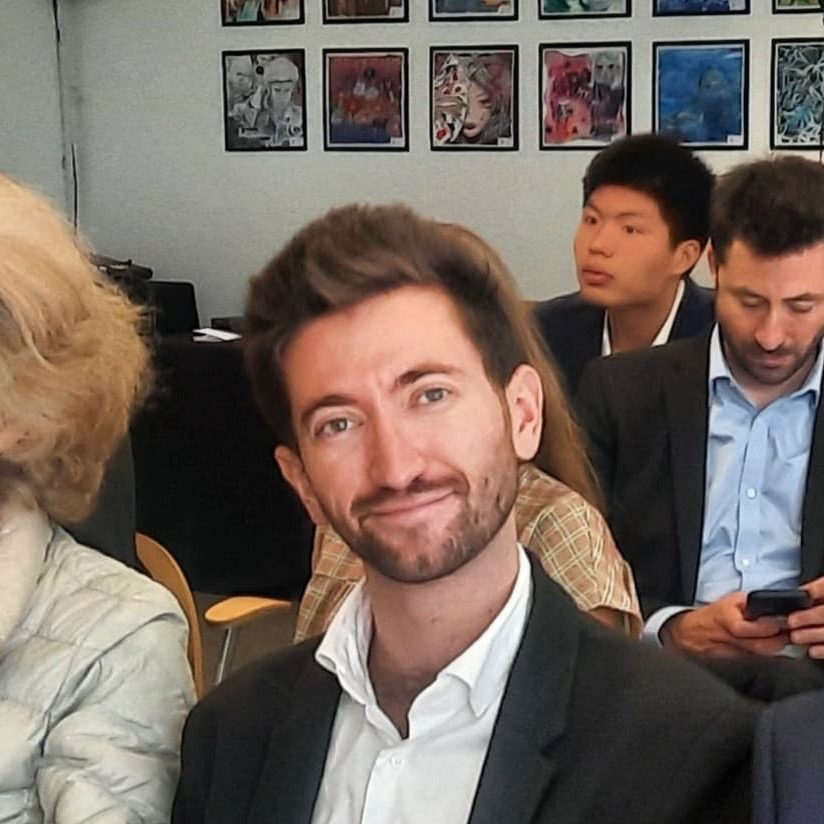
Finally….we are ready to present the Decolonise! policy papers. While doing our activities many debates arose and gave us input for the policy papers we finally developed. As we go along, we might need to adapt and change them but what we have here is the result of a 2-year long process with young changemakers involved in the Decolonise! advocacy team. One of them is Thomas Aubineau, a French volunteer who is doing his Service Civique with Fundación SES, an NGO based in Buenos Aires, Argentina, and partner of the Decolonise IVS! project. His contribution has been extremely useful as he was coordinating the drafting of the policy papers. He is also actively involved in developing the Decolonise advocacy strategy. 
 
Thomas, what are these policy papers about?

We are working on two main topics: on the one hand the neo-colonial mechanisms that persist in the fundings of the European Union, in particular in the program of Erasmus+ and the European Solidarity Corps, and on the other hand the visa processes and the neo-colonial barriers that these procedures keep maintaining. Last but not least, we are also writing a position paper, this one on the narratives we use within our organisations. This paper is a bit different than the two previous ones, as it is specially directed for our movement, and not for external actors (even though its recommendations can also apply to other stake-holders and to their communication). The aim of these 3 papers is to tackle the neo-colonial patterns that keep existing in international volunteering service, and which limit volunteering as a form of promoting social justice and the emancipation for both the volunteer and the host community.
 
Why did you choose these topics in particular?

The choice of these topics is the result of a consultation with all project partners, and an analysis of the main challenges to volunteering today.
Funds are one of the biggest determinants when it comes to a volunteering project, since they have an influence on literally every dimension of the project: the purpose of the mission, its duration, its budget, the type of volunteers who can take part, as well as its evaluation and the way in which it is to be disseminated. It was therefore only natural to analyse the neo-colonial elements that persist in such fundings, particularly in the Erasmus+ and European Solidarity Corps funds which are aimed directly at young people and volunteer organisations.

Visa processes were a little less obvious. It is not the most talked-about topic when it comes to the decolonisation of volunteering, but it is the first challenge volunteers and their sending organisations encounter when starting a volunteering project. This is one of the first administrative tasks to be carried out by the volunteer prior to mobility, and the one that depends most on the volunteer’s origin, since it is associated with the migration procedure and all the security issues that are often related to this process. The fact that in a majority of countries the experience of volunteering is not yet differentiated in migration policy from other forms of mobility means that migration inequalities are also reflected in the granting of visas to volunteers. It was therefore essential to address this issue and analyse how this process reproduces a certain neo-coloniality in the experience of volunteering.

Regarding the third paper, we thought it is also important to decolonise ourselves before expecting others to do it. Much of the coloniality still present in volunteering is reproduced by our organisations and the way we communicate about our projects. It is particularly important to carry out this work internally before waiting for changes from external players, or at least to do it in parallel. The idea behind this paper is not to rehash a feeling of guilt or, conversely, of innocence in the face of these power relations, but to be more aware of the domination that our organisations can exert over the communities we claim to defend, in order to create all the conditions to propose fair and egalitarian volunteering.
 
How was the process behind their writings?

The process was a collaborative work between our organisations, volunteers participating in the project and external partners. Everyone brought a bit of their experience, and this is was made the process interesting and rewarding. The writings of the papers took several months, and started by doing interviews with volunteers, members of the partner organisations of the project, and external actors as well. The idea was to gather points of view on both topics, from different perspectives and parts of the world. In parallel, we did a lot of research, analysed academic texts and primary sources, to argument our recommendations. We finally divided up the work of writing the papers and designing the graphics.
 
What are the future steps of your strategy?

Now that we finished the policy and position papers, we are in a process of disseminating our work and of advocating our demands. We want to reach as many stakeholders as possible who have an impact on these issues, not just in Europe, but also in Africa, Asia and Latin America. To achieve this, we are working with our entire network and project partners, encouraging volunteers who have been involved in Decolonise IVS! activities to take an active part in this advocacy, to take profit of their experience and perspective. Our aim is to build long-term relationships with the decision-makers we plan to meet, so that we can work together on these issues and monitor the progress of the decolonisation of volunteering.

Decolonising EU Funding Mechanisms for Youth Policy Paper

Decolonising Visa Mechanisms Policy Paper

Think Tank

Enhancing critical thinking in our conversations

The International Think Tank Team offers critical views on the activities of both the project and the participant organisations. The team consists of 7 members who come from different sectors and are not directly involved with the participant organisations. 4 members of the CCIVS Youth Committee join the regularly held online meetings of the Think Tank to make sure the perspective of young people involved in IVS is included in this critical review of the work being done.

Babirye Harriet Kalema – Uganda
Massimo Modesti -Italy
Lorena Schwab – Germany
Anita Venanzi – Italy
Ernesto Chamo – Mozambique
Diana Noemie Chavez – US
Oscar Garcia – Argentina
Hani Nurlina- Indonesia
Pamela Mapedzamombe – Zimbabwe
Daniela L. Corbalan – Argentina
Adil Litos Sadeia – Mozambique